Category Archives: Solar PV

New Solar PV and Battery Storage Grants in Ireland for 2026

October 2026 has brought some important changes to Ireland’s renewable energy grant schemes, creating new opportunities for homeowners, farmers and businesses considering solar PV installations.

The Sustainable Energy Authority of Ireland (SEAI) has introduced a new €600 home battery storage grant, while solar PV supports for businesses and agricultural applicants have also been significantly increased. These changes are designed to help more Irish households and businesses generate their own electricity, reduce energy costs and improve long-term energy security.
 

New €600 SEAI Battery Storage Grant for Homeowners

One of the biggest developments in 2026 is the introduction of a dedicated €600 SEAI Battery Energy Storage System Grant.

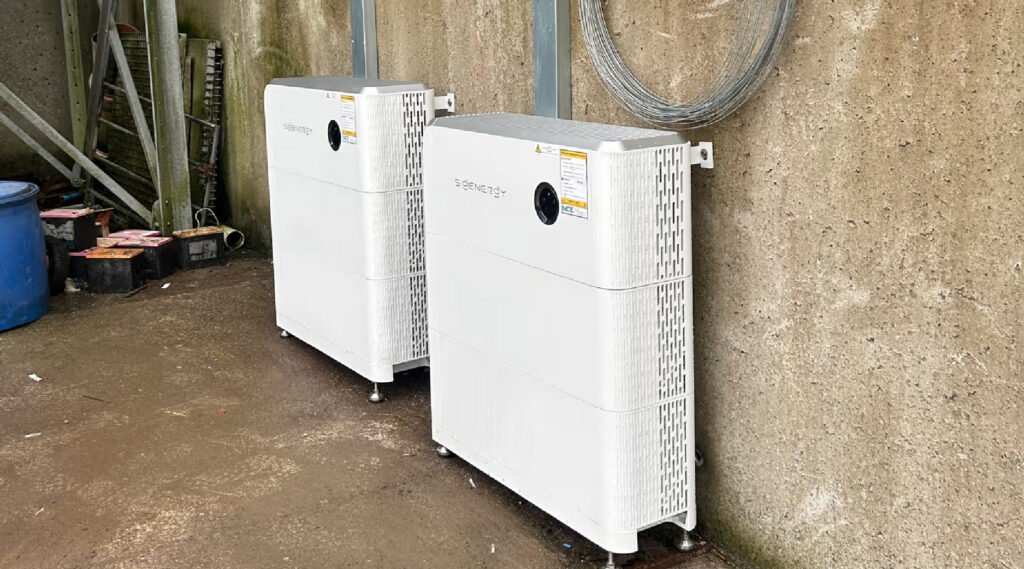
This new grant provides financial support for eligible homeowners installing a battery storage system with a capacity of at least 5 kWh.
Previously, homeowners considering battery storage generally had to fund the battery installation themselves without a dedicated SEAI battery grant.
The new support makes it more affordable to store surplus solar electricity and use it later in the day.
Key details of the new grant include:

  • A flat-rate grant of €600 for qualifying batteries of 5 kWh or larger.
  • Available to eligible homeowners, including private landlords.
  • Can be applied for alongside the existing SEAI Solar PV Grant.
  • May also be available for eligible battery installations added to existing solar PV systems.
  • Installation must be completed by an SEAI-registered solar PV contractor.
  • Grant approval must be received before installation work begins.

The existing domestic solar PV grant provides up to €1,800 towards eligible solar panel installations.
This means qualifying homeowners installing both solar panels and battery storage could now receive up to €2,400 in combined SEAI grant support.

The 2026 changes have also extended domestic solar PV grant eligibility to homes built and occupied before 2025, opening the scheme to more properties.
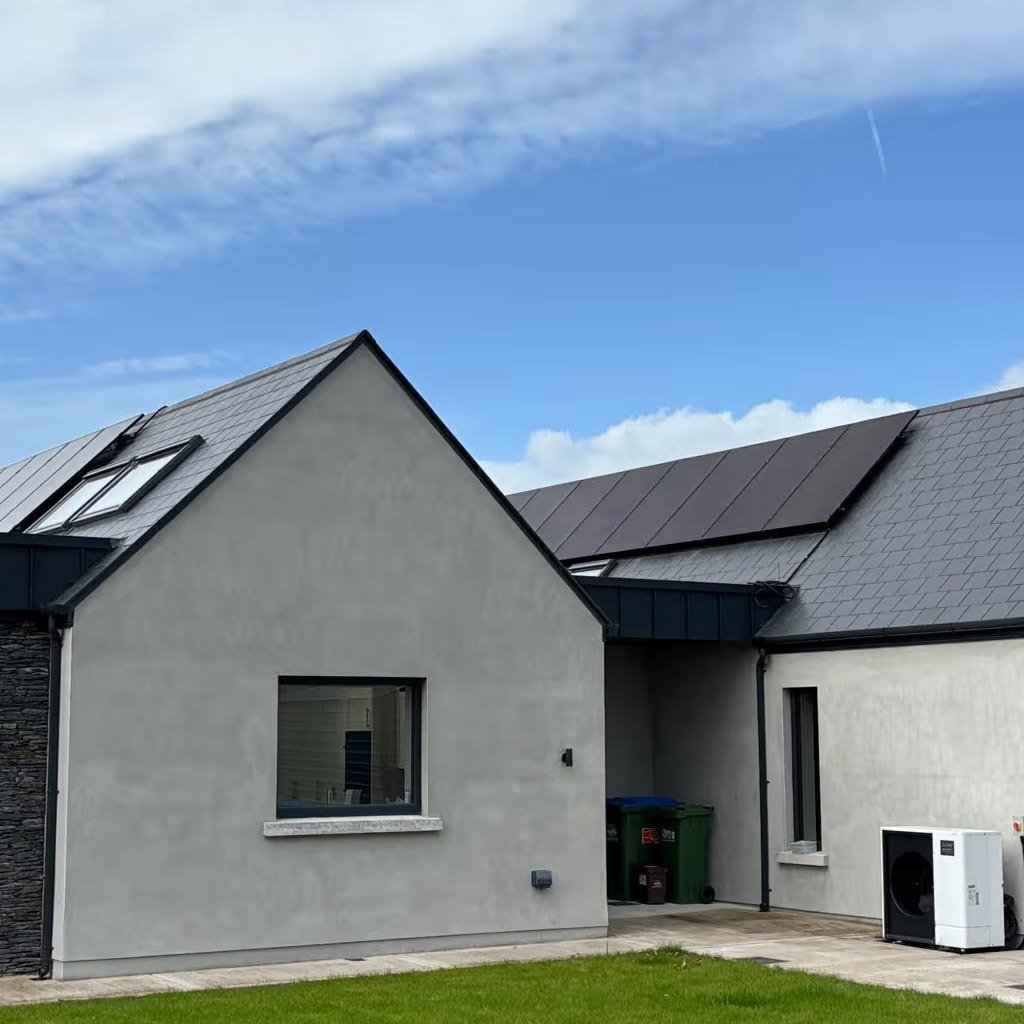
For homeowners (in Cork, Kerry, Limerick, Waterford, Tipperary, Clare, Kilkenny and Carlow), these changes make it an excellent time to explore solar PV and battery storage options.
Increased Solar PV Grants for Irish Businesses in 2026

Businesses across Ireland can now benefit from significantly enhanced solar PV grant support under the SEAI Non-Domestic Microgen Grant scheme.
From October 2026, grant support has been temporarily increased to an effective rate of 45% of eligible installation costs, subject to the scheme’s grant calculations and limits.

The enhanced support applies to eligible new applications during a nine-month window running until 6 July 2027.
The scheme supports solar PV installations up to 1,000 kWp, with a maximum grant offering of €325,200.

This creates a valuable opportunity for businesses looking to reduce electricity costs and invest in renewable energy.
Commercial properties that may benefit include:

  • Manufacturing and engineering facilities.
  • Warehouses and distribution centres.
  • Retail premises and offices.
  • Workshops and industrial buildings.
  • Hospitality businesses.
  • Other commercial properties with suitable electricity demand and roof space.

Solar PV can be particularly attractive for businesses that consume significant electricity during daylight hours, when panels are generating power.
By producing electricity on-site, businesses may be able to reduce their reliance on grid electricity and improve their long-term operating costs.

Important: The enhanced grant rates apply to eligible new applications. Businesses with existing grant offers cannot automatically transfer to the higher rates, and work must not begin before the required grant approval is received.
Enhanced Solar PV Grant Opportunities for Irish Farmers

The agricultural sector is also eligible for the enhanced SEAI Non-Domestic Microgen Grant scheme. This means qualifying farms may be able to access increased solar PV funding under the temporary 2026 support arrangements.
For farmers across (Cork, Kerry, Limerick, Waterford, Tipperary, Clare, Kilkenny and Carlow), solar PV can offer significant practical benefits, particularly where electricity is used throughout the day.

Dairy farms, for example, may have substantial electricity requirements associated with:

  • Milking equipment and vacuum pumps.
  • Milk cooling and refrigeration.
  • Water heating.
  • Ventilation systems.
  • Water pumping.
  • General farm electrical operations.


Solar PV can help offset a portion of these electricity requirements, depending on the farm’s consumption patterns and system design. Farmers should also investigate the Department of Agriculture’s Targeted Agricultural Modernisation Scheme (TAMS 3), including the Solar Capital Investment Scheme, where applicable. The SEAI non-domestic scheme and agricultural grant schemes have different eligibility rules, funding arrangements and application requirements. Farmers should confirm which scheme is appropriate before committing to an installation and should not assume that separate grants can be combined for the same works.


Why These Grant Changes Matter

The new and enhanced grants make 2026 an important year for anyone considering an investment in solar electricity.
For homeowners, the introduction of the €600 battery grant makes energy storage more accessible.
For businesses, increased solar PV support can help reduce the upfront cost of renewable energy investment.
For farmers, enhanced non-domestic support provides another funding option worth investigating alongside existing agricultural schemes.

However, choosing the correct system remains just as important as securing grant funding. Solar PV installations should be designed around actual electricity consumption, available installation space, electrical infrastructure and long-term energy requirements.


Talk to North Cork Electrical About Your Solar Options


At North Cork Electrical, we provide professional solar PV and electrical solutions for residential, agricultural and commercial properties across Cork, Kerry, Limerick, Waterford, Tipperary, Clare, Kilkenny and Carlow.
Whether you’re considering solar panels for your home, exploring battery storage, or planning a larger solar PV installation for your farm or business, our team can help you assess the options.

With the latest SEAI grant changes now in effect, it’s a good time to review your electricity requirements and explore the potential benefits of solar energy.

Contact North Cork Electrical today to discuss your solar PV or battery storage
project and find out which options may be suitable for your property.
Supporting Mallow Search & Rescue with Solar PV

Powering the people who help others

At North Cork Electrical, we believe that what we do can have an impact beyond the homes and businesses where we install solar.

Sometimes, it is about supporting the people who give their time to support others.

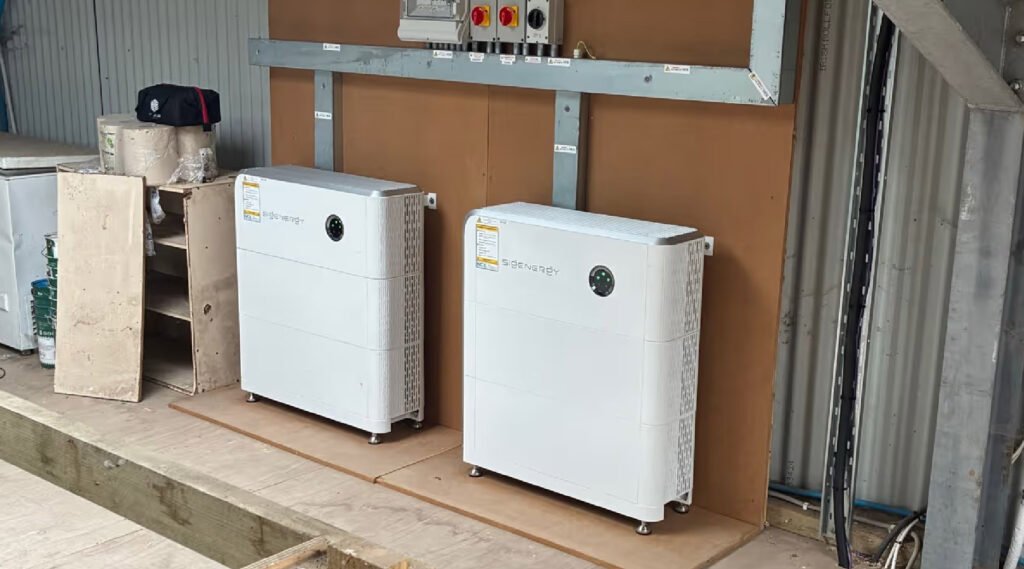
That is why we were proud to donate a solar PV and battery storage system to Mallow Search & Rescue, a voluntary organisation based in Mallow, Co. Cork.

Their dedicated volunteers are involved in search and rescue operations, including water-based searches, recovery work and providing safety cover for events. Their work can take them across North Cork and beyond, often responding when people and families need help the most.

Supporting an Important Local Service

Mallow Search & Rescue is a voluntary, community-supported organisation made up of members who give their time and expertise to help others.

The team has specialist skills and equipment to support its search and rescue operations, including boat operations and diving. They regularly train to develop their skills and capabilities, helping them stay prepared for the situations they may face.

Alongside their search and rescue work, volunteers also provide safety cover at water-based events, supporting the wider community in a variety of ways.

It is a service that depends on committed volunteers and strong support from the wider community.

Why We Wanted to Help

At North Cork Electrical, we wanted to make a contribution that would provide a long-term, practical benefit to Mallow Search & Rescue.

Their work depends on having the right facilities, equipment and resources in place to keep their operations running. We saw an opportunity to use our experience in renewable energy to provide something that could continue to benefit the organisation for years to come.

Rather than simply making a once-off donation, we wanted to give something that could become part of their day-to-day operations.

Our Solar Donation

North Cork Electrical donated a solar PV and battery storage system to Mallow Search & Rescue.

The system allows the organisation to generate electricity at its base and store surplus energy for use when required.

It is a practical contribution that can support the organisation’s ongoing operations while helping them make better use of renewable energy.

More Than a Solar Installation

For North Cork Electrical, this project was about more than panels, batteries and electricity.

Mallow Search & Rescue volunteers give their time to help people when they need it most. They train, maintain their equipment and remain ready to respond when their skills are needed.

Their service is built around the commitment of volunteers and the support of the wider community.

We were delighted to be able to give something back in a way that could provide a lasting benefit to the organisation.

We’re proud to support Mallow Search & Rescue and to play our part in helping power the work they do for our community.

At North Cork Electrical, we believe renewable energy can do more than power buildings.

It can help power the people who help others.

See Video Testimonial

From Farm to Factory: How Solar PV Powers Agriculture and Business

Unlocking the Potential of Solar Energy for Farms and Businesses


As electricity costs continue to fluctuate across Ireland, farms and businesses are looking for practical ways to reduce energy costs, improve energy independence and take greater control of their electricity usage.

Solar photovoltaic (PV) technology offers an opportunity to generate electricity on-site from daylight, helping agricultural and commercial customers reduce their reliance on electricity purchased from the national grid.

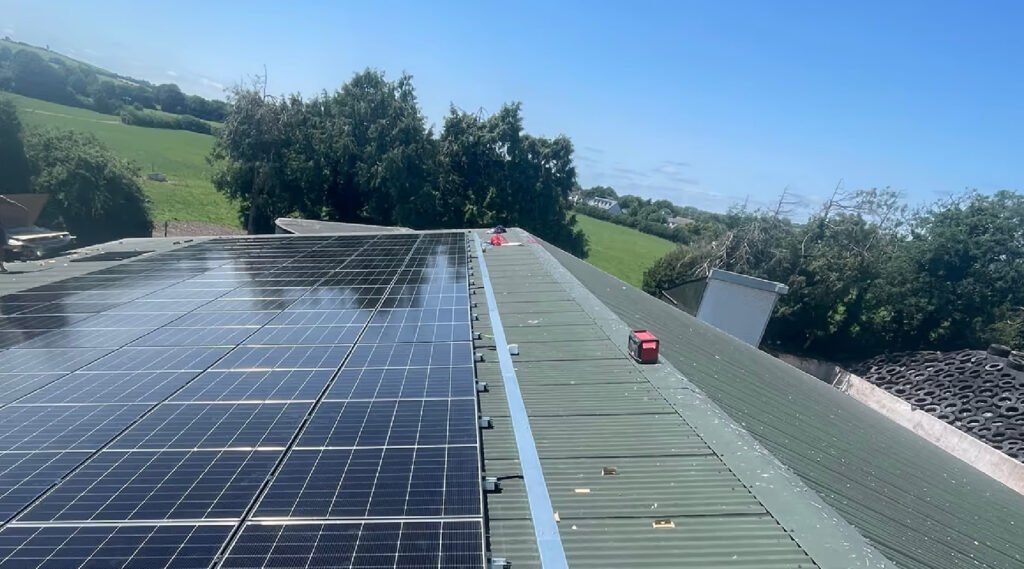
For a modern farm, solar can help power milking parlours, refrigeration, water pumps, ventilation and workshops. For businesses, it can help support offices, warehouses, retail premises, manufacturing facilities, hotels and other energy-intensive operations.

Solar PV is no longer simply an environmental choice. When properly designed around your electricity consumption, it can be a long-term investment designed to reduce operating costs and make better use of your available roof or ground space.

At North Cork Electrical, we design and install tailored solar PV systems for agricultural and commercial customers throughout Ireland, with each system designed around the property’s energy requirements, operating patterns and future energy needs.


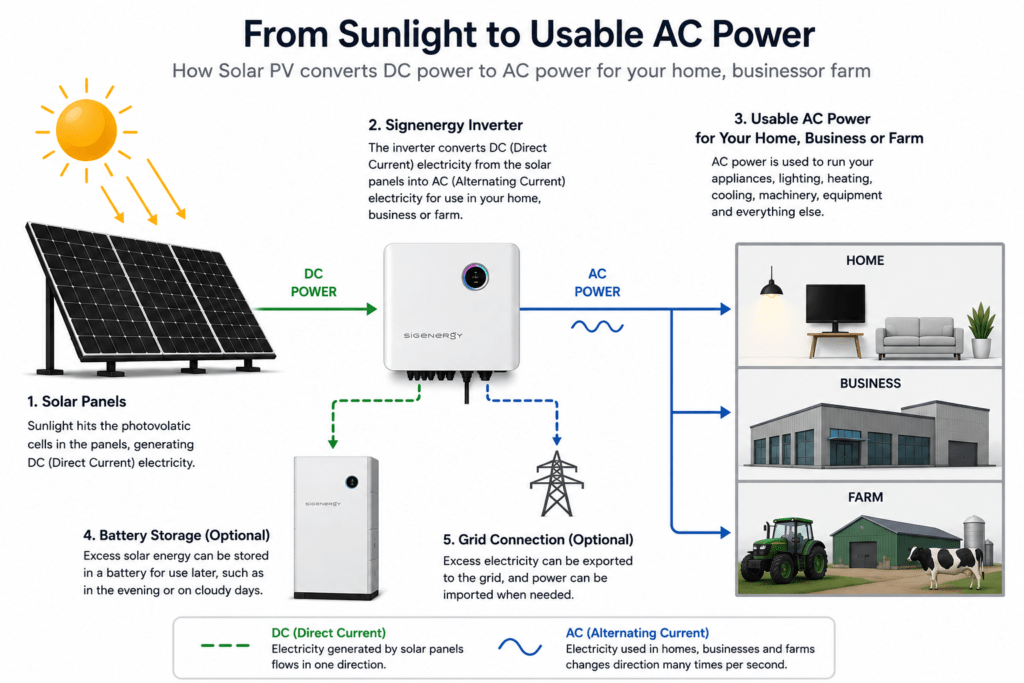
What Is Solar PV and How Does It Work?

Solar photovoltaic (PV) panels generate electricity from daylight using photovoltaic cells.

When daylight reaches the solar panels, they generate Direct Current (DC) electricity.

However, the electrical equipment used by farms and businesses operates using Alternating Current (AC) electricity.

This is where the solar inverter comes in.

The inverter converts the DC electricity generated by the solar panels into AC electricity that can be safely used by your property’s electrical systems.

This allows solar-generated electricity to power everything from lighting and office equipment to refrigeration, machinery, pumps, ventilation systems and agricultural equipment.

If your solar panels generate more electricity than your business or farm is using at that moment, the surplus electricity can potentially be:

  • Stored in a battery for use later
  • Used to supply other electrical loads on-site
  • Exported to the electricity grid where applicable
  • Used to reduce the amount of electricity purchased from your electricity supplier

The objective is simple: generate electricity where you need it and make as much use of that electricity on-site as possible.

Understanding DC and AC Electricity

One of the most important parts of understanding a solar PV system is knowing the difference between DC and AC electricity.

Solar panels generate DC electricity, while the electrical equipment throughout a farm or commercial premises generally operates on AC electricity.

The inverter provides the connection between the two.


What Is DC (Direct Current)?

Direct Current (DC) electricity flows continuously in one direction.

Solar panels naturally generate DC electricity when exposed to daylight.

This electricity is produced by the photovoltaic cells within the panels, but it cannot normally be used directly by the majority of electrical equipment found in agricultural and commercial premises.


What Is AC (Alternating Current)?

Alternating Current (AC) electricity changes direction many times every second.

This is the type of electricity supplied by the national grid and used by most electrical equipment.

On a farm, this can include:

  • Milking parlours
  • Refrigeration systems
  • Water pumps
  • Ventilation
  • Lighting
  • Workshop equipment
  • Feed systems
  • Grain drying equipment

In commercial environments, AC electricity powers equipment such as:

  • Machinery
  • Refrigeration
  • HVAC systems
  • Lighting
  • Computers and office equipment
  • Production equipment
  • Pumps and motors
  • Warehouse systems

Why Is the Inverter So Important?

The inverter acts as the bridge between your solar panels and your electrical system.

It converts the DC electricity generated by the panels into AC electricity that your farm or business can use.

Without the inverter, the electricity generated by the solar panels could not be used by the vast majority of your existing electrical equipment.

A correctly specified inverter is therefore a critical part of designing an efficient and reliable solar PV system.


Agricultural Solar PV

Modern agriculture relies heavily on electricity.

From milking and refrigeration to water pumping, ventilation, grain drying and workshop equipment, electricity is an essential part of day-to-day farm operations.

For farms with suitable buildings, large roofs can provide valuable space for solar PV, allowing electricity to be generated directly where it is being consumed.

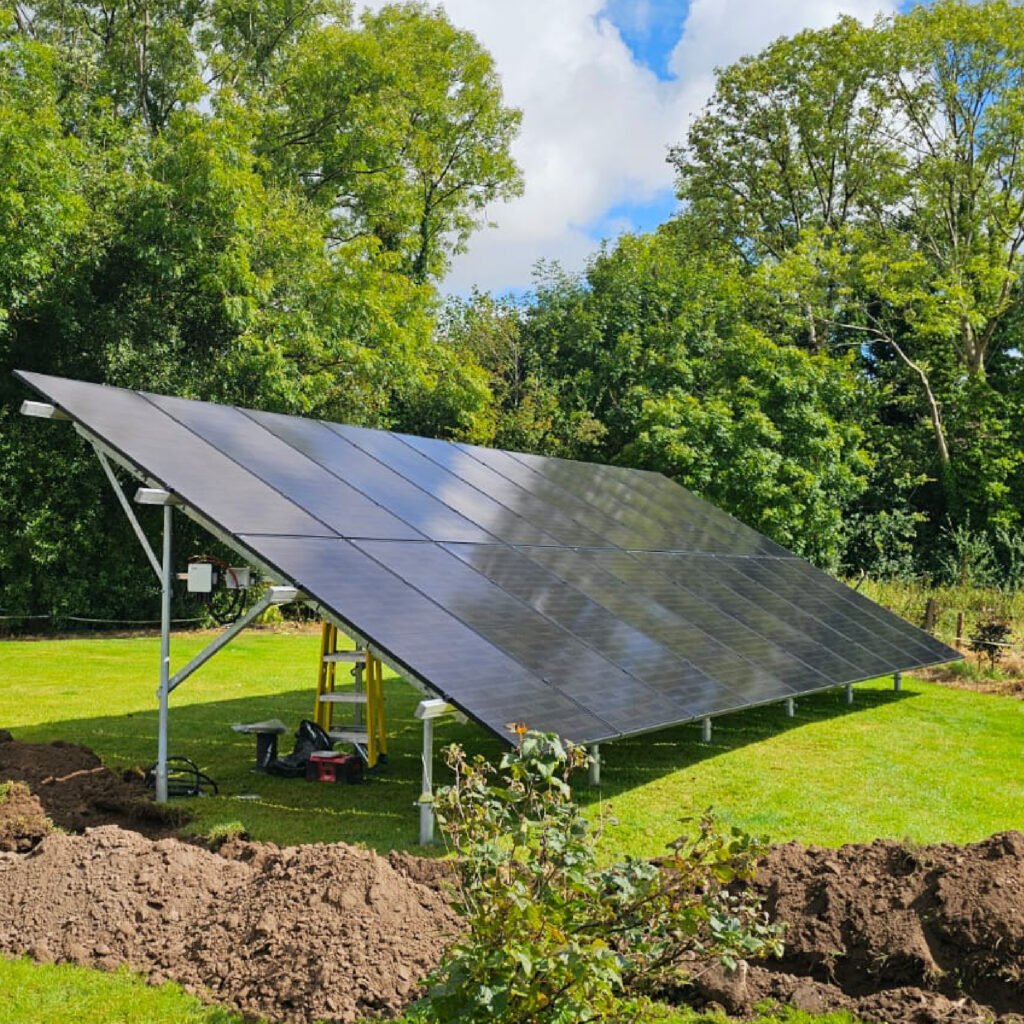
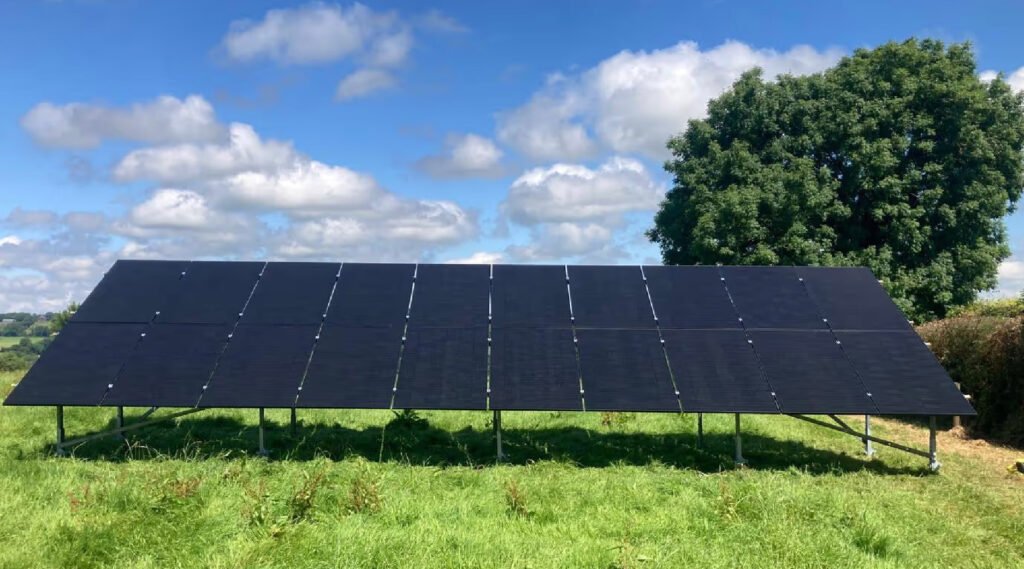
Ground-mounted systems can also provide another option where suitable land is available and a roof-mounted system isn’t the most appropriate solution.

Where Can Solar Help on a Farm?

Solar PV can help generate electricity for a wide range of agricultural applications, including:

  • Milking parlours
  • Milk cooling and refrigeration
  • Water pumps
  • Ventilation systems
  • Grain drying
  • Farm workshops
  • Lighting
  • Feed systems
  • Cold storage
  • Agricultural machinery and equipment

The biggest opportunity comes from matching solar generation with the farm’s electricity consumption.

For farms that use significant amounts of electricity during daylight hours, generating power on-site can help reduce the amount of electricity that needs to be purchased from the grid.

Benefits of Agricultural Solar PV

A properly designed agricultural solar PV system can help:

  • Reduce electricity costs
  • Reduce reliance on the electricity grid
  • Improve long-term energy planning
  • Make productive use of available roof or ground space
  • Increase on-site renewable energy generation
  • Reduce carbon emissions
  • Support long-term farm sustainability
  • Prepare the farm for future electrical demand

Every farm is different.

Electricity consumption, building orientation, available roof space, existing electrical infrastructure and future expansion all need to be considered when designing a system.


Commercial Solar PV

For many businesses, electricity is a significant ongoing operating expense.

Commercial premises can often be particularly well suited to solar PV because electricity demand frequently occurs during daylight hours, when solar panels are generating electricity.

Instead of purchasing all of your electricity from the grid, a commercial solar PV system allows your business to generate a portion of its electricity on-site.

This can help reduce grid electricity consumption and potentially lower ongoing operating costs.

Suitable for a Wide Range of Businesses

Solar PV can be designed for many different commercial environments, including:

  • Offices
  • Retail premises
  • Warehouses
  • Manufacturing facilities
  • Industrial buildings
  • Hotels
  • Workshops
  • Agricultural businesses
  • Food production facilities
  • Distribution centres
  • Commercial units

Benefits of Commercial Solar PV

A commercial solar PV system can help businesses:

  • Reduce electricity bills
  • Lower operating costs
  • Generate electricity on-site
  • Reduce reliance on grid electricity
  • Improve energy efficiency
  • Increase energy independence
  • Support sustainability objectives
  • Reduce carbon emissions
  • Prepare for future increases in electricity demand

For businesses with high daytime electricity consumption, solar can be particularly valuable because electricity is being generated at the same time the business is operating.

Solar PV and Energy-Intensive Operations

Not all electricity usage is the same.

A business operating machinery throughout the day will have a very different energy profile from an office operating mainly during standard working hours.

Likewise, a dairy farm may have significant electricity demand from milking, refrigeration and water pumping at different times throughout the day.

This is why simply choosing the largest possible solar system isn’t always the best approach.

A well-designed system considers how much electricity you use, when you use it and how much solar electricity can realistically be consumed on-site.

Understanding your energy usage allows the system to be designed around your actual operation rather than simply the available roof space.


Battery Storage: Making More of Your Solar Energy

Solar panels generate electricity during daylight hours, but farms and businesses don’t necessarily use all of their electricity at the exact moment it is generated.

Battery storage provides a way of storing surplus solar electricity for later use.

For example, electricity generated during the day could be stored in a battery and then used later when solar generation decreases.

This can increase the amount of solar electricity consumed on-site and reduce the amount of electricity imported from the grid.


Benefits of Battery Storage

Depending on the system design, battery storage can provide:

  • Higher self-consumption of solar energy
  • Reduced electricity imports from the grid
  • Greater energy independence
  • More flexibility in how electricity is used
  • Potential backup power capability
  • Greater control over your energy usage

Battery storage can be particularly useful for businesses and farms where electricity demand continues outside peak solar generation hours.

Solar PV Grants for Agriculture and Business

Government support can help make solar PV more accessible for eligible agricultural and commercial customers.

SEAI schemes and grant eligibility can change, and different requirements may apply depending on the type of property, business and installation.

Before investing, it is important to check the current eligibility criteria, grant amounts and application requirements.

North Cork Electrical can help customers understand the solar installation process and identify the information required when considering a solar PV project.


Designing Solar Around Your Business or Farm

There is no single solar system that works for every farm or business.

A professional solar PV design should consider factors including:

  • Current electricity consumption
  • Daytime and nighttime electricity usage
  • Available roof space
  • Roof orientation and condition
  • Ground-mounted options where appropriate
  • Existing electrical infrastructure
  • Solar panel capacity
  • Inverter specification
  • Battery storage requirements
  • Future expansion
  • Potential electricity export

The aim is to create a system that works with your operation, rather than forcing your operation to work around the solar system.


Why Choose North Cork Electrical?

Every farm and business has different energy requirements.

At North Cork Electrical, we take a tailored approach to solar PV, designing systems around how your property actually uses electricity.

We provide:

  • Tailored energy assessments
  • Custom-designed solar PV systems
  • Agricultural and commercial installations
  • Roof-mounted and ground-mounted solar solutions
  • Battery storage solutions
  • Professional installation by experienced electricians
  • System monitoring through our NCE Power Portal
  • Ongoing technical support and aftercare

From agricultural buildings and farmyards to commercial premises and industrial facilities, our goal is to help customers make better use of their own energy generation.


Invest in Your Energy Future

Solar PV gives farms and businesses the opportunity to generate their own electricity from daylight and reduce their dependence on electricity purchased from the grid.

The process starts with the solar panels generating DC electricity.

The inverter then converts that DC electricity into AC electricity, allowing it to power the electrical equipment already operating throughout your farm or business.

Any suitable surplus can potentially be stored in battery storage or exported to the grid, depending on the system and applicable arrangements.

With the right design, solar PV can become an important part of your long-term energy strategy, helping reduce electricity costs, improve energy independence and support a more sustainable operation.


From farm to factory, solar can put your available roof or ground space to work.


Contact North Cork Electrical to discuss your agricultural or commercial solar PV requirements and discover how a system can be designed around your energy usage.

Choosing the Right Solar Installer in Ireland

Making the decision to go solar is a smart move – lower energy bills, increased energy independence, and a more sustainable home. But one of the most important steps in your journey isn’t the panels themselves… it’s choosing the right installer.

A high-quality installation can maximise your savings and system performance, while the wrong choice can lead to ongoing issues, reduced efficiency, and unnecessary stress. Here’s what to look for when selecting the right solar installer for your home or business.


1. Experience and Expertise Matter

Solar installation isn’t just about placing panels on a roof- it involves electrical work, system design, and long-term performance planning. An experienced installer will:

  • Assess your roof orientation and shading
  • Design a system tailored to your energy usage
  • Ensure all electrical components are safely and correctly installed

Look for a company with a proven track record and a portfolio of completed installations.


2. Certifications and Compliance

In Ireland, working with a certified installer is essential. Ensure your installer is registered with the Sustainable Energy Authority of Ireland (SEAI). This ensures:

  • Compliance with national standards
  • Eligibility for SEAI grants
  • Peace of mind that your system meets safety regulations

A reputable installer will guide you through the process and handle the necessary paperwork after your initial grant application.


3. Quality of Products Used

Not all solar panels and inverters are created equal. A good installer will only use trusted, high-quality components that are:

  • Durable and weather-resistant
  • Backed by strong warranties
  • Designed for long-term performance

Don’t be afraid to ask what brands and products are being used – and why.


4. Transparent Pricing and No Hidden Costs

A professional installer will provide a clear, detailed quote outlining:

  • Equipment costs
  • Installation fees
  • Any additional work required

Be cautious of quotes that seem unusually low – they can often lead to hidden costs later or compromise on quality.


5. Customer Reviews and Reputation

One of the best ways to judge an installer is through past customer experiences. Look for reviews that mention:

  • Clear communication
  • Reliability and punctuality
  • Clean and professional workmanship

Consistently positive feedback is a strong indicator of a trustworthy installer.


6. Aftercare and Support

Solar is a long-term investment, so ongoing support is crucial. A reliable installer will offer:

  • System monitoring guidance
  • Maintenance support if needed
  • Assistance with any future queries or upgrades

Knowing you have support after installation provides real peace of mind.


7. Local Knowledge and Service

Choosing a local installer means they understand:

  • Irish weather conditions
  • Local regulations and grid requirements
  • The specific needs of homes in your area

It also ensures quicker response times and a more personalised service.


Final Thoughts

Choosing the right solar installer is just as important as choosing to go solar in the first place. By focusing on experience, certification, quality, and reputation, you can ensure your system delivers the maximum benefit for years to come.

If you’re considering solar for your home or business, take the time to choose an installer you can trust – because a well-installed system is the foundation of long-term savings and performance.

How to Care for Your Solar PV System After Installation

Installing a solar PV system is a great step toward reducing electricity costs and improving energy efficiency, whether it’s for a home, farm, or business.

Once installed, solar systems require very little ongoing maintenance. However, a few simple checks can help ensure your system continues operating efficiently and delivering strong performance for many years.

Here are some practical tips for maintaining your solar PV system in Ireland.


1. Monitor Your System Performance

Most modern solar PV systems come with a monitoring platform or mobile app that allows you to track electricity generation.

Checking your system occasionally helps you understand normal production levels and quickly notice if anything changes.

If production suddenly drops or appears lower than expected during good weather, it may indicate something worth investigating.

Monitoring is a simple way to stay aware of how your system is performing.


2. Let the Irish Weather Do Most of the Cleaning

One advantage of installing solar panels in Ireland is that regular rainfall naturally helps keep panels clean.

Because solar panels are mounted at an angle, rain typically washes away most dust and dirt. Over time though, some build-up can occur, such as:

  • Bird droppings

  • Pollen during spring months

  • Leaves or debris from nearby trees

  • Dust during dry weather periods

If panels become noticeably dirty, a gentle clean with water and a soft brush can help. Avoid using pressure washers or harsh chemicals, as these may damage the panel surface.

For larger agricultural or commercial installations, professional cleaning may occasionally be considered if build-up becomes significant.


3. Watch for New Shade or Obstructions

Solar panels perform best when they receive direct sunlight.

Over time, the surroundings of a property can change. Trees may grow taller, buildings may be added, or equipment may cast shade across roof or ground-mounted systems.

If generation levels change unexpectedly, checking for new shading or obstructions is a good place to start.


4. Check Your Inverter Occasionally

The inverter is a key component of your solar PV system. It converts the electricity generated by the panels into usable power for your home, farm, or business.

Occasionally checking the inverter can be helpful:

  • Ensure indicator lights show normal operation

  • Make sure ventilation areas are not blocked

  • Check for warning lights or error messages

If anything unusual appears, contacting a qualified solar professional is recommended.


5. Contact a Professional if You Notice an Issue

Solar PV systems are designed to operate reliably for many years without routine servicing.

However, if you notice a significant drop in performance, monitoring errors, or visible damage to equipment, it’s important to contact a qualified professional to assess the system.

Addressing potential issues early can help maintain system efficiency and protect your long-term investment.


6. Expect Seasonal Differences in Generation

Solar production varies throughout the year in Ireland due to changing daylight hours.

Typically you will see:

  • Higher generation during spring and summer

  • Lower output during the shorter winter months

This seasonal variation is completely normal and reflects the available sunlight.


A Long-Term Investment in Clean Energy

One of the biggest advantages of solar PV technology is how low-maintenance it is. Once installed, systems quietly generate electricity for homes, farms, and businesses for decades.

With occasional monitoring and basic awareness of your system, your solar installation can continue delivering reliable clean energy and long-term savings.

At North Cork Electrical, we’re proud to help customers across Cork and beyond make the move to solar energy and reduce their reliance on rising electricity costs.

Solar Savings Explained for Irish Homes

Solar power in Ireland has gone from “that’s for Spain” to “why didn’t I do this sooner?”

With rising electricity costs and improved solar technology, Irish homeowners are discovering that solar panels are not just good for the planet – they’re very good for the bank balance too. Let’s break it down, clearly and without the techno-babble.


Why Solar Makes Sense in Ireland (Yes, Really)

Despite popular belief, solar panels don’t need blazing sunshine – they work on daylight. Ireland gets plenty of that, even on those classic “four seasons in one day” afternoons.

Modern systems are designed to perform efficiently in Irish conditions, producing electricity even on overcast days. In short: clouds are not your enemy, your bill is.


Where the Real Savings Come From

  1. Lower Electricity Bills

Once installed, solar panels generate free electricity for your home. That means:

  • Less power pulled from the grid
  • Lower monthly bills
  • Protection against future price increases

Many homes see savings of 30–60% on electricity costs, depending on system size and usage habits.

  1. Using Your Own Power

The more of your solar energy you use during the day (washing machines, dishwashers, EV charging), the more you save. Add a battery and you can store excess energy for evenings – because the kettle waits for no one.

  1. Get Paid for Extra Energy

Any surplus electricity you don’t use can be exported back to the grid through the Clean Export Guarantee (CEG). Your electricity supplier pays you for it – effectively letting your roof earn its keep.


Grants That Actually Help

The SEAI offers solar PV grants for Irish homeowners, reducing upfront costs significantly. This means:

  • Lower installation cost
  • Faster return on investment
  • More savings, sooner

Grants are available for owner-occupied homes built before 2021, and the application process is straightforward when handled properly.


How Long Until It Pays for Itself?

Most Irish homes see payback in 5–7 years. After that, the electricity your system generates is essentially free – apart from the smug satisfaction of checking your meter on sunny days.

With systems lasting 25+ years, that’s a lot of long-term value.


Added Benefits (The Nice Extras)

  • Higher property value – energy-efficient homes are more attractive to buyers
  • Lower carbon footprint – good for Ireland’s climate goals
  • Energy independence – less reliance on suppliers like ESB and market fluctuations


Is Solar Right for Every Home?

Most homes in Ireland are suitable, especially if you have:

  • A south, east, or west-facing roof
  • Minimal shading
  • Reasonable daytime electricity use

A proper site assessment ensures the system is sized correctly – no guesswork, no disappointment.


Final Thoughts

Solar isn’t just an eco-upgrade – it’s a financial one. With grants, lower bills, export payments, and long-term reliability, solar PV is one of the smartest home investments available to Irish homeowners today.

And unlike oil or gas, sunshine never sends a price increase letter.

Why North Cork Electrical Should Be Your Go‑To for Solar, EV Charging & Electrical Solutions

Making the switch to renewable energy or upgrading your electrical systems is a big decision – and a smart one. But not all installers are created equal. If you’re looking for professionalism, quality and a smooth experience from first contact to long‑term support, North Cork Electrical Ltd is one company worth considering.


🌞 Proven Local Expertise

North Cork Electrical was founded with a clear mission: bring sustainable energy expertise back home to Cork and beyond. The company’s founder, Richard Crowley, returned to Ireland after nearly two decades working internationally in electrical, oil & gas and construction sectors – and built a business rooted in real‑world experience.

With their SEAI‑approved solar installations, customers benefit from systems that are not only designed to perform, but also designed to qualify for available Irish government grants – making solar more affordable.


🌱 A Full Range of Renewable & Electrical Services

North Cork Electrical doesn’t just install solar panels – they offer a comprehensive suite of services that work together to make your property greener and more efficient:


☀️ Solar PV Systems

Tailored to homes, farms, and commercial premises, these solar installations help slash energy bills and reduce carbon footprints. Residential, agricultural and commercial solar solutions are all covered, with careful design and certified installers ensuring compliance and performance.


⚡ EV Charging Installations

As electric cars become the norm, having a reliable home or business charger is a smart move. North Cork Electrical supplies and installs smart EV chargers – including models that integrate seamlessly with solar systems. These chargers can be set for smart scheduling, off‑peak charging and optimal solar usage.


📊 Energy Monitoring

Maximum energy efficiency starts with understanding how you use power. North Cork Electricals’ energy monitoring solutions give real‑time insights, helping you spot waste, optimise usage and get more value from your system.


🔌 Electrical Contracting

Beyond renewables, they handle general electrical work too – from upgrades and rewiring to safety‑certified installations. This means your project stays cohesive and compliant under one competent team.


⭐ Real Feedback from Real Customers

Independent reviews paint a clear picture: many customers rate North Cork Electrical highly for professionalism, efficiency and care throughout the installation process. According to recent Trustpilot data, the company holds a strong overall rating with most reviews praising their customer service, workmanship and communication.

Here’s what customers often highlight:

  • Friendly and knowledgeable team that answers questions clearly

  • Clean, efficient installation with minimal disruption

  • Expert handling of paperwork and regulatory requirements

  • Competitive pricing and tailored recommendations

And while no company is perfect, the overwhelmingly positive feedback shows a pattern of reliable service and satisfied customers.


💡 Why It All Matters

Choosing the right installer affects not just the performance of your system, but your peace of mind. North Cork Electricals’ blend of local expertise, diverse services, and solid customer feedback makes them a strong contender – whether you want to cut bills, charge your EV smartly, or future‑proof your electrical setup.

Solar PV in Ireland 2025: What Homeowners, Farmers, and Businesses Need to Know

As Ireland charges ahead on its green journey, solar power is no longer just for the sunny Mediterranean. In fact, Solar PV in Ireland is booming – and 2025 looks brighter than ever (clouds and all).

Whether you’re a homeowner, farmer, or business owner, now’s the time to understand how solar can power your future – and why Cork is fast becoming one of Ireland’s solar hotspots.


What Is Solar PV – and Why It’s Thriving in Ireland

Solar PV (photovoltaic) systems convert sunlight into electricity using solar panels installed on your roof, shed, or ground. That electricity can then power your property, charge a battery, or even earn credits by exporting excess energy back to the grid.

The big shift? Prices have fallen dramatically, and government grants and clean energy targets have made Solar PV in Ireland more attractive than ever.

Here’s what’s fuelling the solar surge:

  • Better technology: Panels and batteries are more efficient and reliable.

  • Excellent SEAI grants: Up to €1,800 available for homes, with additional supports for farms and businesses.

  • Energy independence: Say goodbye to unpredictable electricity bills.

  • Smart systems: Today’s inverters and batteries (like our Sigenergy SP2 range) give seamless control and monitoring.


Do Solar Panels Work in Winter?

Yes – and this is one of the biggest myths we hear!
Even in Ireland’s famously “soft” climate, solar panels work in winter.

While shorter daylight hours mean reduced production, panels still generate electricity from daylight, not just direct sunshine. Think of it like this – if you can see outside, your panels can see energy.

Cold weather can even help panel efficiency. So while output dips slightly in December, your system works year-round – especially when paired with a smart battery that stores surplus energy from brighter days.


For Homeowners: Power, Savings & Smarts

Installing Solar PV in Cork or anywhere in Ireland is one of the best investments for your home:

  • Cut your electricity bills by up to 50%

  • Increase your property’s value

  • Protect yourself from rising energy costs

  • Access SEAI grants easily – we’ll guide you through it

And yes, your panels work perfectly in Irish weather (we promise – we live here too).


For Farmers: Solar That Works as Hard as You Do

Irish farms are perfect for solar. Large roofs, steady demand, and open land make Solar PV for agriculture a no-brainer.

Benefits include:

  • Powering milking parlours, lights, pumps, and cold storage

  • Lowering long-term energy costs

  • Qualifying for TAMS 3 solar grants

Whether it’s a ground-mount array or a roof system, North Cork Electrical designs systems that fit your farm’s daily rhythm.


For Businesses: Cut Costs, Boost Your Green Credentials

From small enterprises to large manufacturing, solar power reduces overheads and enhances ESG credentials. Businesses in Cork and across Ireland are using solar to:

  • Reduce energy bills by up to 50%

  • Offset carbon emissions

  • Qualify for accelerated capital allowances

  • Future-proof operations with clean, reliable power

With our integrated systems, you’ll have one manufacturer, one warranty, and one expert team – no finger-pointing, just performance.


Why Choose North Cork Electrical

At North Cork Electrical, we’ve been powering homes, farms, and businesses for nearly two decades. Our team brings local expertise, top-quality installations, and a full aftercare service – all backed by our upcoming NCE Power Portal, where customers can manage systems, ask questions, and access support.

We use the Sigenergy SP2 inverter and battery system – an all-in-one solution designed for efficiency, reliability, and ease of use.


The Future of Solar PV in Ireland

2025 marks a turning point for Ireland’s energy independence. Solar is no longer a future idea – it’s a present advantage.

So, whether you’re in Mallow, Midleton, or beyond it’s time to make your roof work harder.

Ready to make the switch?
Contact North Cork Electrical today to explore your solar options – for your home, your farm, or your business.